
Leadership education is undergoing a transformative shift, propelled by evolving workplace dynamics, technological advancements, and the increasing importance of emotional intelligence (EI). As a professional with extensive knowledge in leadership development, adult education, and community engagement, I have observed key trends and innovations that are reshaping how we approach leadership training. In this article, I will share some insights and predictions on the future of leadership education, thus emphasizing the critical role of emotional intelligence and ecological systems thinking.
The Shift Toward Emotional Intelligence as a Core Competency
Leadership is no longer solely about technical skills or hierarchical authority; it is increasingly about emotional intelligence. Leaders today must navigate intricate interpersonal dynamics, foster collaboration, and inspire diverse teams. Emotional intelligence which encompasses principles such as self-awareness, empathy, and relationship management, has become a cornerstone of effective leadership.
In my research on “Reimagining Leadership in Community-Based Organizations: An Emotional Intelligence and Ecological Systems’ Approach to Professional Development,” I have explored how emotional intelligence can be integrated into leadership education. The future of leadership training will prioritize teaching leaders to understand their own emotions and those of others while leveraging these insights to build trust and foster important connections. This shift will enable leaders to create inclusive environments where individuals feel valued and motivated.
Embracing Ecological Systems Thinking
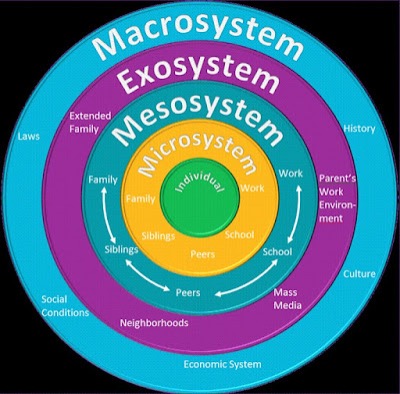
Leadership does not exist in isolation; it is deeply embedded within the broader social, cultural, and organizational context. Ecological systems theory emphasizes the interconnectedness of individuals and their environments. By adopting this approach, leadership education can prepare leaders to consider how their decisions impact not only their immediate teams but also the larger systems they operate within.
This holistic perspective is crucial for addressing multifaceted challenges such as sustainability, social justice, and community development. Based on my professional experience in community engagement and crisis counseling, leaders who understand the interplay between individual, organizational, and societal factors are better equipped to drive significant change.
The Rise of Technology-Driven Leadership Training

Technology is revolutionizing leadership education by making it more accessible, personalized, and interactive. Virtual collaboration tools like Zoom and Teams, which I have utilized extensively in my career, have enabled remote learning and global connectivity. Additionally, platforms like Qualtrics and MaxQDA facilitate data-driven decision-making and provide insights into leadership effectiveness.
Future leadership training programs will increasingly leverage artificial intelligence (AI) to deliver tailored learning experiences. AI-powered tools can analyze individual learning preferences and provide customized content to address specific needs. Gamification is another emerging trend that will make leadership training more engaging by incorporating elements like simulations, interactive scenarios, and real-time feedback.
A Focus on Lifelong Learning

The rapid pace of change in the modern world necessitates a shift from one-time leadership training programs to a culture of lifelong learning. Leaders must continuously update their skills to remain effective in an ever-evolving landscape. Microlearning, delivering content in bite-sized modules will become a popular approach for busy professionals seeking to enhance their leadership capabilities.
As the founder of Felix Leadership Academy, I am committed to designing courses that align with adult education principles. These courses empower leaders to acquire new skills while balancing their professional and personal responsibilities. By fostering a growth mindset and encouraging continuous development, leadership education can prepare individuals to adapt to new challenges and opportunities.
The Importance of Diversity and Inclusion in Leadership Education

Diversity and inclusion are not optional; they are essential components of effective leadership. Leaders must be equipped to navigate diverse cultural contexts, address systemic inequalities, and create environments where all voices are heard. Leadership education programs must prioritize diversity training and provide tools for fostering inclusive workplaces; however, they should do not violate federal laws.
My experience working with individuals from various backgrounds has reinforced the importance of cultural competence in leadership. By integrating diversity and inclusion into training curricula, we can ensure that future leaders are prepared to lead with empathy and equity.
Overall, the future of leadership education lies at the intersection of emotional intelligence, ecological systems thinking, technology-driven innovation, lifelong learning, and diversity and inclusion. As we navigate an increasingly complex world, it is imperative that we equip leaders with the skills and perspectives needed to inspire positive change.
By embracing these emerging trends and innovations, leadership education can cultivate a new generation of leaders who are not only effective but also empathetic, adaptable, and socially conscious. This transformation will ultimately empower organizations and communities to thrive in the face of uncertainty and difficulty.
 Felix Leadership Academy